
Know What the Plumbing Is Before You Sign
A general home inspection runs the faucets. A plumbing inspection puts a camera in the sewer line and tells you what you are actually buying.
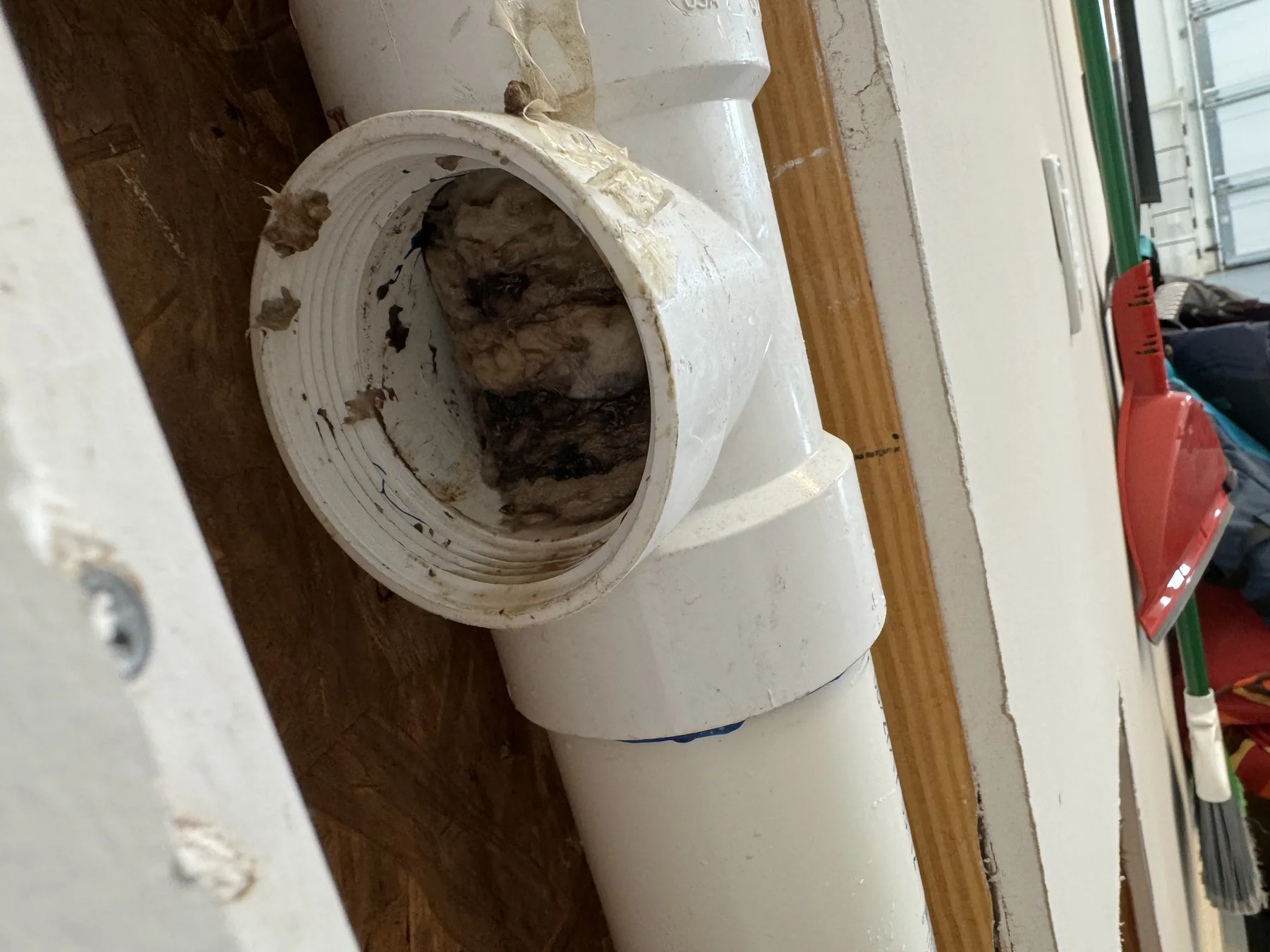
A standard home inspection covers a lot of ground shallowly. The inspector turns fixtures on, looks under sinks, notes what is visible, and moves on. That is useful, and it is also blind to the two most expensive things in a house’s plumbing, the condition of the drain line under the yard and the condition of supply lines buried in a slab.
A dedicated plumbing inspection goes after exactly those. We camera the sewer line from the cleanout out to the connection, so you see the pipe material, its condition, whether roots are in it, and whether it holds proper grade. On a house from the cast iron era that single piece of information can be the difference between a fair price and an expensive surprise in your second year.
Sellers use this too, and it is the smarter side of the transaction. Knowing what a buyer’s inspector is going to find, before they find it, means you decide how to handle it instead of negotiating under pressure with a closing date approaching. Either way you get a written report with photos and video, describing what is there in plain terms.
When an inspection is worth doing
- Under contract on a house and the sewer line has never been scoped
- Preparing to list, and you would rather find the problems than have a buyer find them
- A home built in the cast iron drain era with no record of drain work
- A property that has sat vacant, where lines have been dry and unused
- A rental you are buying that has had multiple drain calls in its history
- Any house where the seller cannot say what the supply pipe material is
The sewer line is the one thing a home inspector never actually looks inside.
What an inspection is looking for
Drain line condition is first, because it is the costliest unknown. Cast iron was standard for houses built roughly from the 1950s through the 1980s, and it fails by bottom rot, corroding from the inside along the bottom of the pipe until the underside is gone. A camera shows this immediately, and it is invisible from anywhere else in the house.
Supply lines come next. On slab construction, which is nearly everything here, the supply runs under the concrete where nobody can see it. What we can do is identify the material, check pressure and flow at fixtures, look at the accessible connections and the water heater, and watch the meter for evidence of loss. A house losing water under the slab shows itself at the meter even when nothing is visible.
Then the local specifics. If the property is on a low pressure sewer with a grinder pump, that pump is equipment with a condition and a service history, and it belongs in an inspection. Water heater age and installation, shutoff valve function, exposed fittings on the salt-air side of a coastal house, and whether previous repairs were done properly all go in the report as well.
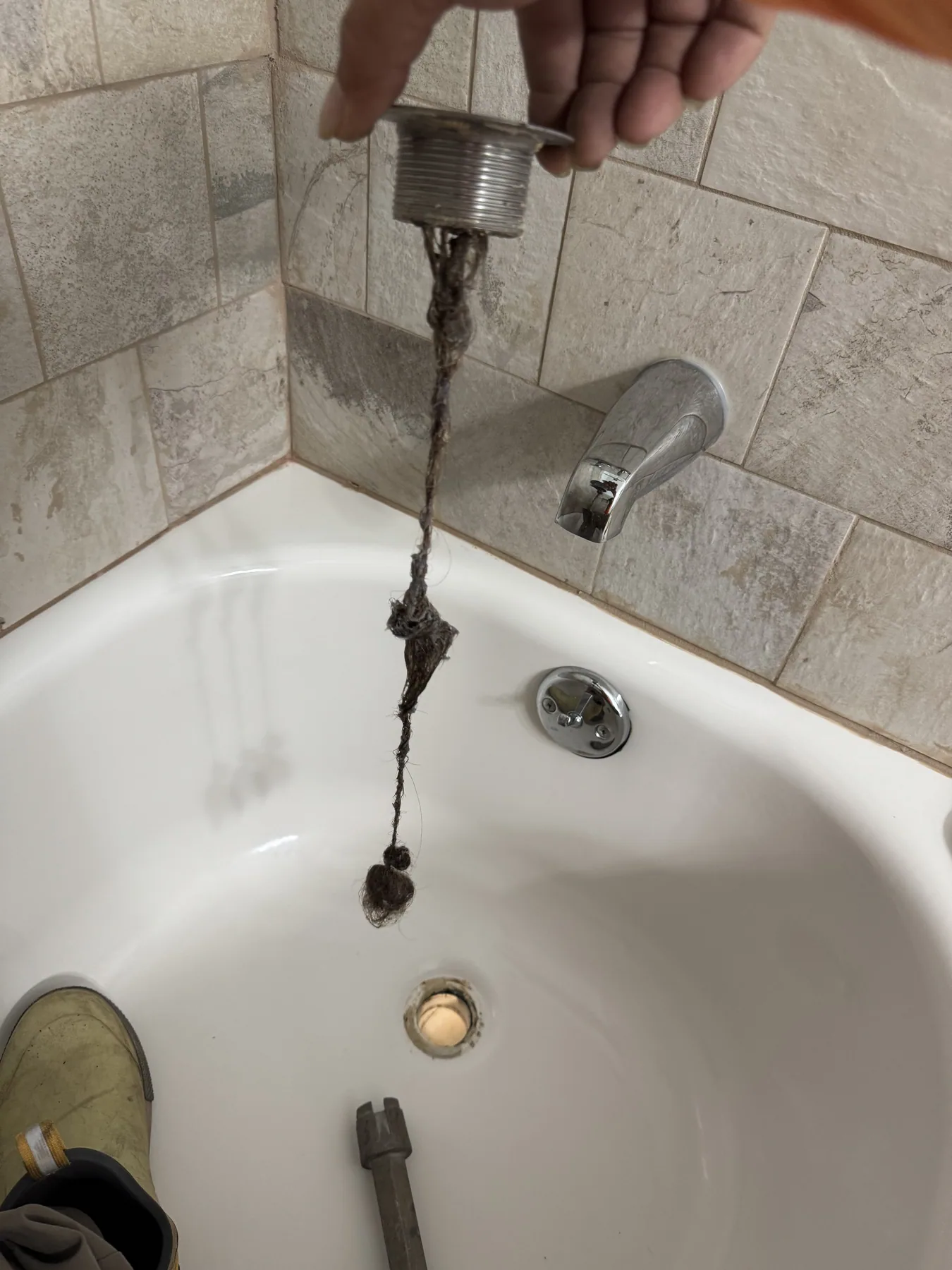
Running a sewer camera from the cleanout during a pre-purchase inspection.
Get it looked at
Under contract or about to list? Call 850-318-5777 and get the plumbing looked at properly before the dates get tight.
- Answered 24 hours, 7 days
- Licensed CFC1429646 and CMC1250426
- Repair first, always
Maintenance plan visits come with a written condition report and photos.
What the visit covers
- Walk the house with you
Age, history, what you already know, and what specifically concerns you. Your questions shape what we spend time on.
- Camera the sewer line
From the cleanout to the connection, recorded. Material, condition, roots, sags, and any breaks, all on video.
- Check the supply side
Pipe material where visible, pressure and flow at fixtures, a meter check for hidden loss, and a look at every accessible connection.
- Inspect fixtures and equipment
Water heater age and install quality, shutoffs, exposed fittings, and the grinder pump if the property has one.
- Deliver a written report
Photos, video, and plain language on what is fine, what needs watching, and what needs work now. Something you can hand to an agent or an attorney.
Pre-purchase and pre-listing inspections around the bay
Real estate moves constantly along this coast, and a lot of it moves fast. We inspect for buyers and sellers in Santa Rosa Beach, Point Washington, Seagrove Beach, Grayton Beach, Seaside, WaterColor, Inlet Beach, Miramar Beach, and Destin, where a large share of transactions are second homes and rental properties bought by people who live somewhere else. Those buyers especially benefit from a real report, since they cannot walk the house themselves whenever they want.
Inland in Freeport, DeFuniak Springs, Paxton, Ponce de Leon, Westville, Vernon, and Caryville the housing is older on average, and the sewer camera earns its keep on nearly every one of those inspections. We also cover Niceville, Valparaiso, Eglin Air Force Base, Choctaw Beach, Ebro, and Panama City Beach. We work around closing timelines, and the report comes to you in writing, not as a verbal summary you have to remember.
Beach-side calls take us to Santa Rosa Beach, Miramar Beach and Destin. Away from the beaches we’re in Freeport, Point Washington, Niceville, Valparaiso and Eglin Air Force Base, and farther up in Ebro, Vernon and Caryville. See the whole service area for more.
Questions we get about this
Is this different from what a home inspector does?
Considerably. A general inspector covers the whole house and reports what is visible. We look only at plumbing, and we put a camera inside the sewer line, which is where the expensive problems hide.
The two work well together. Most buyers who ask us for this already have a general inspection scheduled and want the plumbing looked at by someone who does plumbing.
Why does the sewer camera matter so much?
Because it is the only way to see the drain line, and it is one of the most expensive things in a house to replace. Cast iron bottom rot, root intrusion, and sagging sections are all invisible from inside the house and all obvious on video.
I am selling. Why would I want to find problems?
Because the buyer’s inspector will find them anyway, and then you are negotiating with a closing date looming and no time to get competing numbers. Knowing first means you choose whether to fix it, disclose it, or price it in.
Do I get something in writing?
Yes. Photos, camera video, and a written report in plain language covering what is sound, what to keep an eye on, and what needs attention now. It is meant to be usable in a negotiation.
How long does an inspection take?
Typically a couple of hours for a normal home, longer for a large house or multiple bathrooms. Scheduling is the bigger constraint during a busy season, so it is worth calling as soon as you are under contract.
What if you find something serious?
We tell you what it is, show you the footage, and explain the range of what fixing it involves. You are under no obligation to have us do the work. Plenty of our inspections end with us telling somebody the plumbing is in good shape.
Related plumbing work
- Hydro Jetting
- Emergency Plumbing
- Leak Detection
- Leak Repair
- Drain Cleaning
- Sewer Line Repair
- Sewer Line Replacement
- Water Heater Repair
- Water Heater Installation
Can’t find your exact problem above? Describe it on the contact form or over the phone at 850-318-5777. You can browse the full plumbing list first, or look through photos of our work.