
How Ductless Systems Work and Where They Fit
Ductless systems solve a specific problem very well and are the wrong answer for others. Here is how they work, so you can tell which situation you are in.
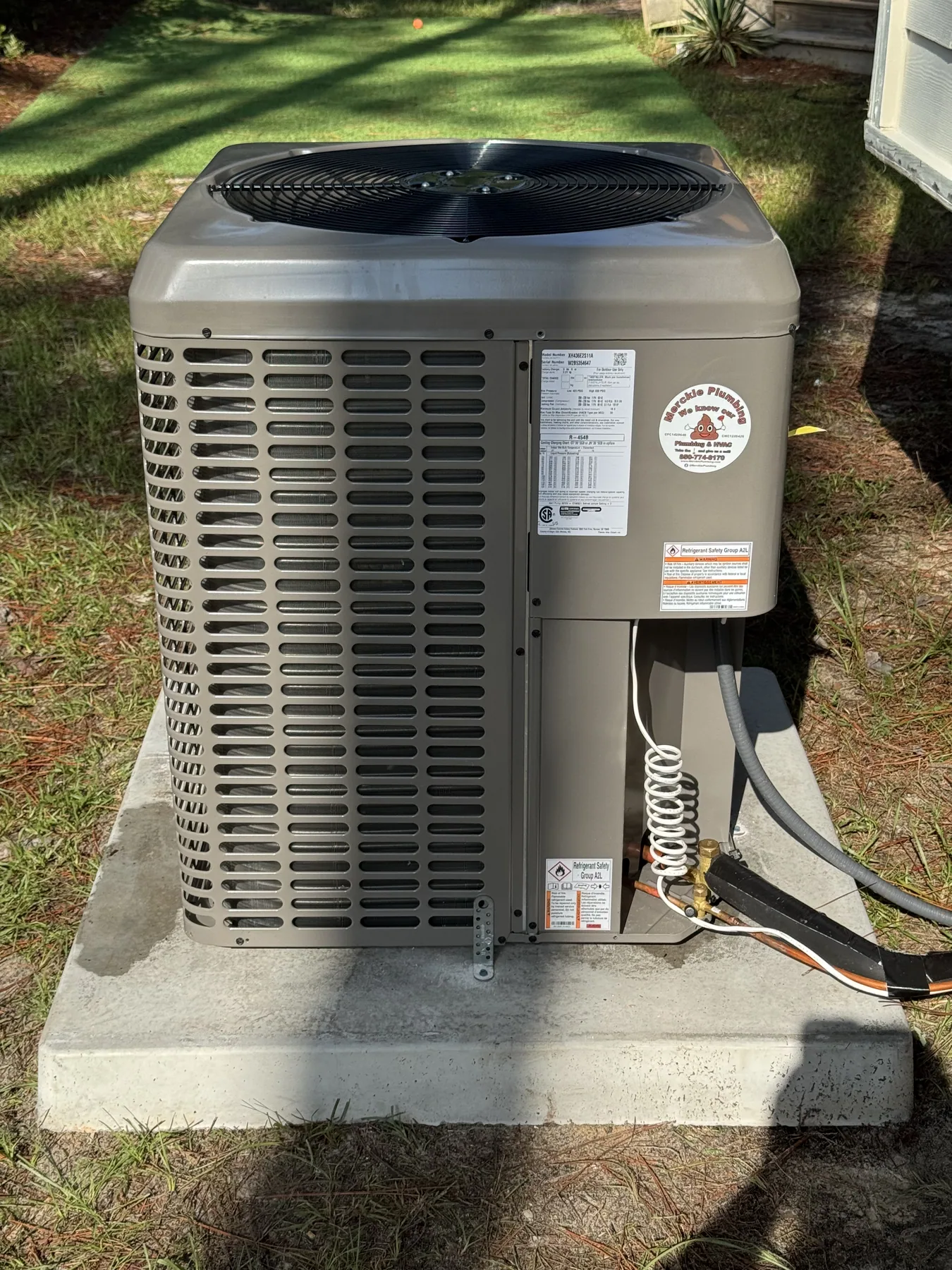
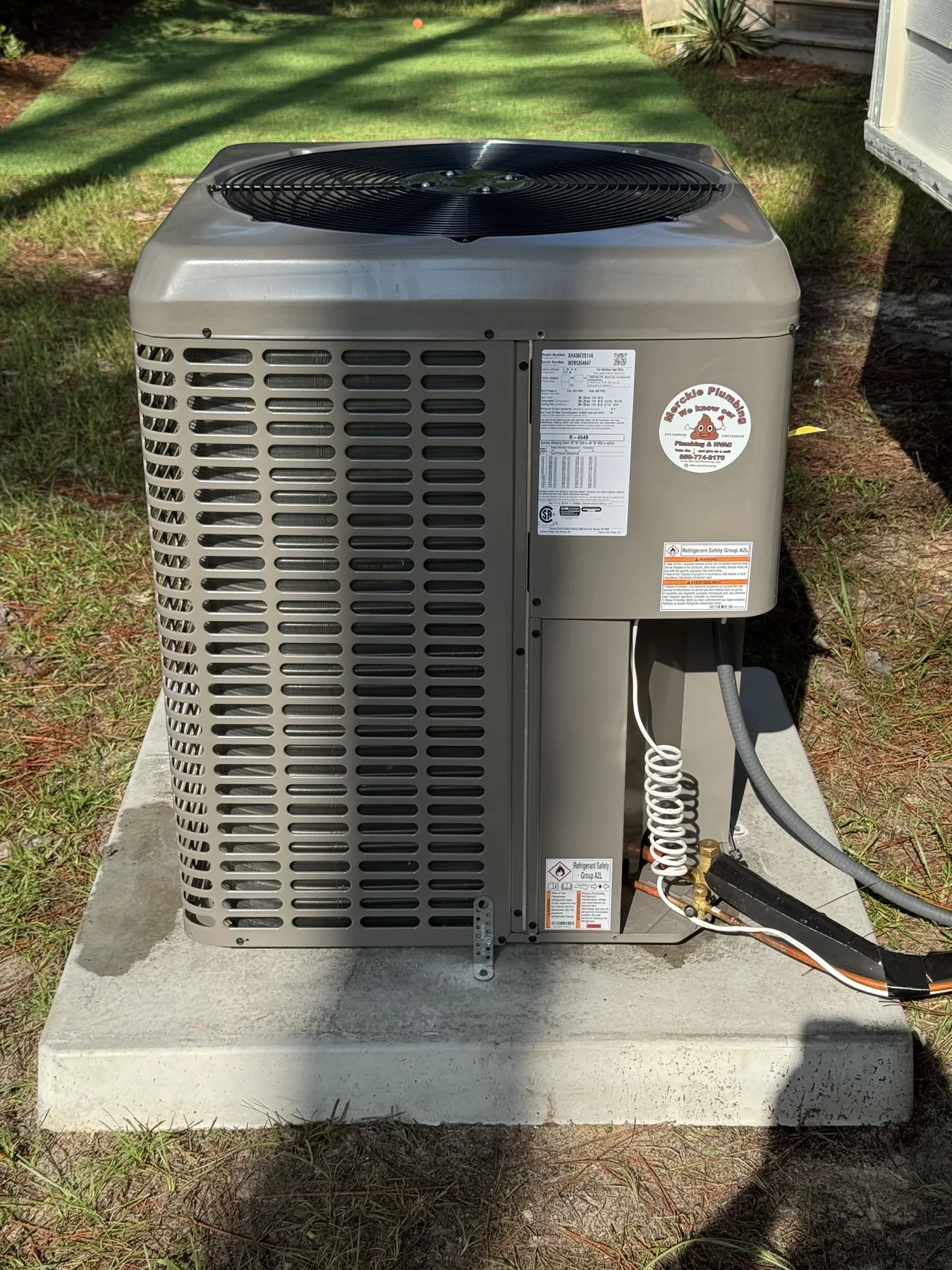
A ductless mini-split splits a single air conditioner into two pieces. The outdoor unit holds the compressor and condenser. The indoor head holds the evaporator coil and a small quiet fan. Instead of duct, a narrow line set carrying refrigerant, a condensate drain and control wiring passes through the wall to connect them. That is the entire idea, and everything else follows from it.
Because there is no duct, there is nothing to leak. In a Florida house that is a meaningful advantage: a conventional system runs its air through an attic that is hot and humid for most of the year, and any joint that has come loose is losing conditioned air or importing outdoor air. A ductless head conditions the room it sits in, with no distribution losses at all.
The second advantage is control. Each head runs independently, so you can condition a garage workshop on a Saturday without cooling the whole house, or keep a guest suite comfortable only when somebody is in it. Most units also modulate their output rather than cycling hard on and off, which means longer, gentler run times, and longer run times remove more moisture. In a climate where dew points sit in the high sixties and low seventies for months, that matters as much as the temperature.
Situations Where Ductless Makes Sense
- A garage, shop or shed where extending duct is impractical and a window unit is not enough
- An enclosed porch, sunroom or converted attic that was never part of the original system
- An older house with no duct runs and no realistic path to add them
- A guest suite or apartment over a garage that needs its own thermostat and its own bill
- A single room that runs hot no matter what, where balancing the existing system has already been tried
- An addition where tapping the existing trunk would rob air from the rest of the house
No ductwork means no duct losses, which in a hot Florida attic is a real advantage.
The Honest Tradeoffs
The visible head is the objection we hear most. A wall mounted unit is a piece of equipment on your wall, and no amount of design language changes that. Ceiling cassettes and low wall consoles exist for rooms where a wall unit would look wrong, though they cost more and are harder to retrofit. If the appearance bothers you in a formal living space, that is a legitimate reason to look elsewhere.
Coverage is the second tradeoff, and it is the one people underestimate. A single head conditions the space it can throw air into. It will not cool through a doorway into a hallway and around a corner, so an open plan room works well and a chopped up floor plan needs multiple heads or a different approach. Whole house ductless is possible but it means a head in nearly every room, and at that point a conventional system often makes more sense.
There is also upkeep, and it is more hands on than most people expect. Each head has washable filters that need rinsing regularly, and the blower wheel and drain pan inside the head collect biological growth in humid conditions, which is exactly what we have here. Neglected heads develop a smell and eventually drip. Salt air near the coast also works on the outdoor unit’s fins and copper, so a freshwater rinse and periodic service is genuinely worth doing rather than an upsell.
A wall mounted indoor head serving a converted garage space that had no duct available.
Get it looked at
Not sure a ductless system is the right call? Tell us about the room and we will give you an honest read, even if the answer is no.
- Answered 24 hours, 7 days
- Licensed CFC1429646 and CMC1250426
- Repair first, always
A maintenance plan puts a licensed contractor’s eyes on this before it fails.
Working Out Whether It Suits You
- Describe the space and how you use it
A workshop used on weekends and a guest suite occupied for a month have very different requirements.
- Look at the alternatives fairly
Sometimes extending the existing duct, sealing what is there, or balancing the airflow is the better and cheaper answer. We will say so.
- Consider the room layout
Open spaces suit a single head. Divided floor plans need more heads or a different plan, and it is better to know that now.
- Talk through the appearance
Wall head, ceiling cassette or floor console, with the cost and retrofit difficulty of each stated plainly.
- Size it to the load
Oversizing leaves a room cold and clammy because the unit never runs long enough to dehumidify. Right sizing matters more than headline capacity.
- Decide with real numbers
Once you know what fits, we will tell you what it costs to install, with no pressure to decide on the spot.
Where We See Ductless Working on the Emerald Coast
Along 30A and the coast, in Santa Rosa Beach, Seaside, WaterColor, Grayton Beach, Seagrove Beach, Inlet Beach, Miramar Beach and Destin, the recurring uses are enclosed porches, garage apartments and detached studios. Coastal properties also benefit from the fact that a head runs only when that space is occupied, which suits homes that sit empty for stretches.
Around Freeport, Point Washington, Choctaw Beach, DeFuniak Springs, Paxton, Ponce de Leon, Westville, Vernon, Ebro and Caryville, ductless usually goes into older houses and outbuildings that never had duct in the first place. Niceville, Valparaiso, Eglin Air Force Base and Panama City Beach are on our route as well. Call 850-318-5777.
Towns we get to most: Freeport, Santa Rosa Beach, Point Washington, Miramar Beach, Niceville, Destin, Eglin Air Force Base, Valparaiso, Ebro, Vernon, Caryville. See the full service area.
Questions we get about this
Is a ductless system cheaper than extending my existing ductwork?
It depends entirely on the house. If a duct run can reach the space easily without robbing air from other rooms, extending is often less expensive. If it means opening ceilings, crossing a load path, or the existing system has no capacity to spare, ductless usually wins. We will look at both before recommending either.
Can one system handle a whole house?
Technically yes, with an outdoor unit and a head in most rooms. Whether it should is another question. Divided floor plans need a lot of heads, the visual impact adds up, and at some point a conventional system does the same job for less. Ductless earns its keep in specific spaces more than as a whole house replacement.
Do they heat as well as cool?
Most are heat pumps and heat perfectly well in our winters. Panhandle cold snaps are short and rarely severe enough to trouble a modern unit, which is one reason they suit this area.
Are they noisy?
The indoor head is quiet, usually quieter than a central system’s supply register, because the fan is small and often variable speed. The outdoor unit makes normal condenser noise, so placement away from bedroom windows and a neighbor’s patio is worth thinking about.
What maintenance do they actually need?
Rinse the filters regularly, which takes a few minutes and makes a real difference. Beyond that, the head’s blower wheel and drain pan need periodic cleaning, since our humidity encourages growth inside them, and the outdoor coil benefits from a freshwater rinse to fight salt. A neglected head starts to smell, and that smell is the pan and the wheel.
Will a mini-split help with humidity?
A properly sized one will, because it modulates and runs longer gentle cycles that pull water out of the air. An oversized one will not, since it satisfies the room fast and shuts down. This is the single most common mistake we correct on ductless systems somebody else installed.
Related HVAC work
- HVAC Maintenance
- HVAC System Diagnostics
- Indoor Air Quality
- Emergency HVAC
- HVAC Repair
- HVAC Installation
- AC Repair
- Furnace Repair
- Furnace Installation
You don’t need to know what the problem is called. Tell us what the system is doing at 850-318-5777 or through the contact page, and we’ll sort out which service it is. The HVAC page and the gallery are there if you want to look around first.