
A Burst Line Shouldn’t Close You for the Week
Somebody’s phone rings at 2am and it’s water coming through a ceiling. We answer, we get there, and we get the building back open.
A commercial water emergency is really two problems stacked on top of each other. The first is the pipe. The second, and usually the expensive one, is everything the water touches on the way down: drywall, flooring, inventory, a unit below that now can’t be rented. Our job on an emergency call is to stop the first problem quickly so the second one stops growing.
That starts with isolation. A lot of commercial buildings can be valved down in sections, so a failure in one restroom stack doesn’t have to kill water to the whole property. Finding those valves under pressure, in the dark, in a building you’ve never been in, is the part that separates a fast call from a long one. We look for the smallest shut-off that solves the problem.
After the water’s off, we tell you what actually broke and what it takes to fix it. Sometimes that’s a permanent repair the same night. Sometimes it’s a sound temporary fix so you can open tomorrow, with the real repair scheduled for a window that doesn’t cost you a day of business. We’ll say which one we’re doing and why.
When to stop waiting and call
- Water staining or bubbling in a ceiling tile below an occupied unit
- Pressure drops across the whole building at once, not just one fixture
- A restroom or kitchen floor drain backing up during business hours
- The sound of running water inside a wall with every fixture closed
- A water heater relief valve discharging steadily instead of occasionally
- Sewage odor in a common hallway or stairwell
- Your water bill jumps and nothing about your occupancy changed
The pipe is the cheap part. Downtime and the units below are what actually costs you.
Why commercial failures go bad so fast
Commercial systems run at higher volume, longer hours, and more continuously than a house does. A restaurant’s drain line sees more in a Saturday night than a family kitchen sees in a month. That constant duty means wear shows up sooner, and when something lets go, it lets go under load rather than sitting quietly.
Along the coast, a lot of our commercial buildings are multi-story with stacked plumbing. Every unit in a column shares a riser and a drain stack. A supply failure on the fourth floor becomes a water event on three, two and one before anybody finds the valve. That geometry is why speed matters more here than the size of the actual break.
The other local factor is occupancy swing. A 30A rental building or a Miramar Beach hotel can go from mostly empty in the shoulder season to completely full in a week. Systems that seemed fine at low demand start showing every weak joint and undersized line the moment full occupancy loads them up.

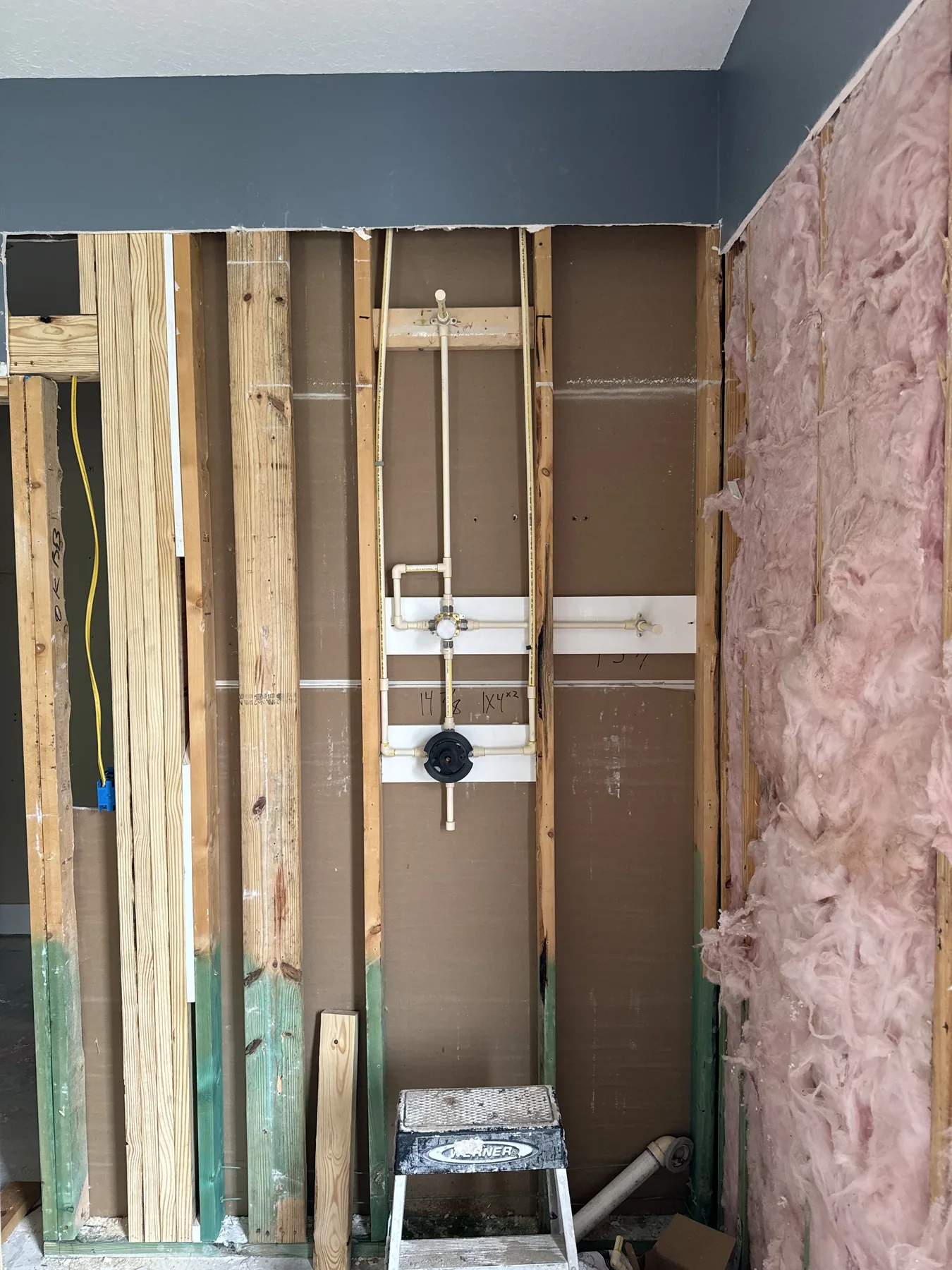
Isolating a failed riser section at a Santa Rosa Beach commercial building so the rest of the property kept water.
Commercial work
Water coming in right now? Call 850-318-5777 any hour. We’ll walk you to your shut-off on the phone while we’re on the way.
- Answered 24 hours, 7 days
- Licensed CFC1429646 and CMC1250426
- Repair first, always
A maintenance plan keeps this kind of thing from becoming an emergency.
How an after-hours call runs
- You reach a person
The phone is answered around the clock, and you talk to somebody who can actually ask the right questions about what you’re seeing.
- Isolate before anything else
We find the tightest shut-off that stops the water and keeps the rest of the building live if the layout allows it.
- Find the real failure
Camera, meter or acoustic gear as the situation calls for it, so we’re repairing the actual break and not guessing at drywall.
- Repair or stabilize
Permanent fix on the spot when it’s the right call, or a sound temporary that gets you open with the real repair scheduled.
- Document it
Photos and a written note of what failed and what we did, which is what your owner, board or insurance carrier will ask for.
Answering the phone across the Emerald Coast
We take emergency commercial calls throughout Walton and Okaloosa counties, which means Freeport, Santa Rosa Beach, Point Washington, and the 30A corridor from Grayton Beach through Seaside and WaterColor out to Inlet Beach. Rental-heavy buildings there tend to fail on turnover days, when the property is full and every fixture runs at once.
We also cover Miramar Beach, Destin, Niceville, Valparaiso and Panama City Beach, plus DeFuniak Springs and the inland towns. Knowing where a building’s valves and cleanouts usually live in a given area saves real time at 2am, and that time is the difference between a ceiling repair and a floor replacement.
Our regular towns, in no special order: Eglin Air Force Base, Vernon, Miramar Beach, Freeport, Caryville, Niceville, Point Washington, Ebro, Destin, Santa Rosa Beach and Valparaiso. Anything else inside our range is on the service area page.
Questions we get about this
Do you really answer at 3am, or is it a service that takes a message?
You get a person. The phone is answered 24 hours a day, seven days a week, and the point of that is to start solving the problem on the call rather than adding an hour before anyone knows what’s happening.
If you can get to your shut-off, we’ll talk you through it while we’re driving. Stopping the water ten minutes sooner is worth more than anything we do after we arrive.
Will you have to shut water off to the entire property?
Not if the building gives us a choice. Many commercial properties can be isolated by wing, floor or riser, and we always look for the smallest shut-off that stops the leak. Whole-building shut-off is the last option, not the first.
If your building does have to go down, we’ll tell you roughly how long before we close the valve, so you can notify tenants instead of finding out from them.
Do you charge more for nights, weekends or holidays?
We don’t play after-hours pricing games. That was one of the reasons this company exists. You’ll hear what the work costs before we do it, and the number won’t change because of what time the clock says.
Can you work in an occupied hotel or apartment building?
Yes, and most of our commercial emergency work is in occupied buildings. We stage the work to keep hallways passable, contain the mess, and give you something in writing you can hand to guests or residents about what’s affected and for how long.
What should we do before you get there?
Shut the water if you know where the valve is and it’s safe to reach. Kill power to any area taking water, move what you can out of the path, and put something under an actively dripping ceiling.
Take photos before anybody cleans up. Your insurance carrier will want them, and so will we.
Do you provide documentation for the owner or the board?
Every emergency call gets photos and a written summary of what failed, what we did, and what we recommend next. Property managers and HOA boards need a record, not a verbal account, and we’d rather hand it over than be asked for it later.
Related plumbing work
- Commercial Leak Detection
- Commercial Leak Repair
- Commercial Water Line Repair
- Commercial Water Line Installation
- Commercial New Construction
- Office Building Plumbing
- Apartment Complex Plumbing
- Hotel Plumbing
- Commercial Drain Cleaning
Plumbing problems don’t always fit a tidy label. Look over our plumbing services, check the gallery for jobs like yours, or skip all that and call 850-318-5777. If it is not urgent, a message works too.