
Restrooms and Break Rooms That Never Slow the Day
An office building’s plumbing is mostly restrooms and break rooms, used hard in short bursts by people who aren’t yours. That shapes everything about how it should be maintained.
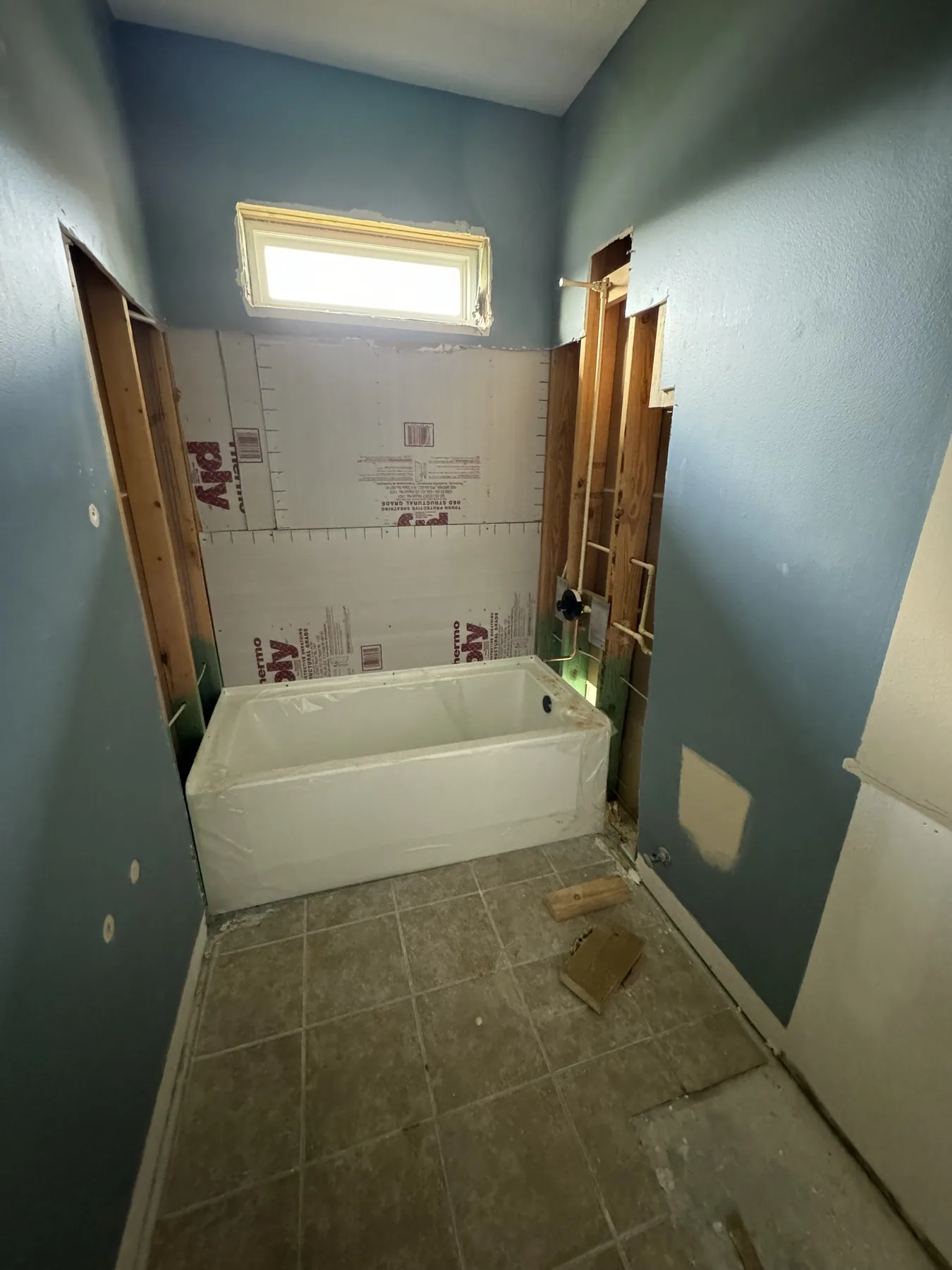
The plumbing profile of an office building is unusual. Total water use is modest, but it’s concentrated into a few narrow windows: morning arrival, lunch, and late afternoon. Public restrooms take heavy simultaneous use for twenty minutes and sit idle for hours. That pattern wears fixtures and valves quickly while leaving drain lines with long stagnant periods.
The equipment reflects it. Flushometer valves rather than tanks, sensor faucets and flush controls, commercial-grade fixtures, and break room lines that see coffee grounds and food scraps from people who have no reason to think about the drain. Diaphragm kits, solenoids and sensor units are the routine wear items, and they’re cheap to maintain and disruptive to ignore.
The other reality is tenants. An out-of-service restroom on a floor is a complaint to the property manager within the hour, and in a multi-tenant building it’s several. So the work is judged on response and on whether the fix holds, not just on whether the fixture eventually worked again.
Complaints that reach the property manager
- A flushometer that runs continuously or won’t complete its cycle
- Sensor faucets or flush valves triggering erratically or not at all
- Restroom floor drains giving off odor during quiet periods
- Break room sink draining slowly by the end of the week
- Water hammer banging in a wall when a restroom valve closes
- Low pressure at upper-floor restrooms during the lunch rush
- A recurring wet spot near a fixture nobody can explain
An out-of-service restroom is measured in tenant complaints per hour, not in dollars of parts.
What actually breaks in an office building
Flushometer valves do the most work and take the most abuse. The internal diaphragm is a rubber component operating under line pressure hundreds of times a day, and grit or mineral content in the water accelerates its wear. A worn diaphragm either runs continuously, wasting a remarkable amount of water quietly, or fails to deliver a full flush, which is how a line starts collecting solids.
Sensor hardware is the other frequent item. Solenoid valves, sensor eyes and their power supplies all fail eventually, and in a busy restroom they fail visibly. Batteries in battery-powered units are a scheduled maintenance item that gets skipped until a row of faucets stops working on the same week, because they were all installed on the same day.
Then there’s stagnation. Office drains sit unused nights, weekends and holidays, and in Florida’s humidity a trap that dries out lets sewer gas straight into the space. That’s why an office restroom can smell after a long weekend when nothing at all is wrong with the plumbing. It also means drain lines here need occasional attention even without heavy volume, which surprises a lot of managers.
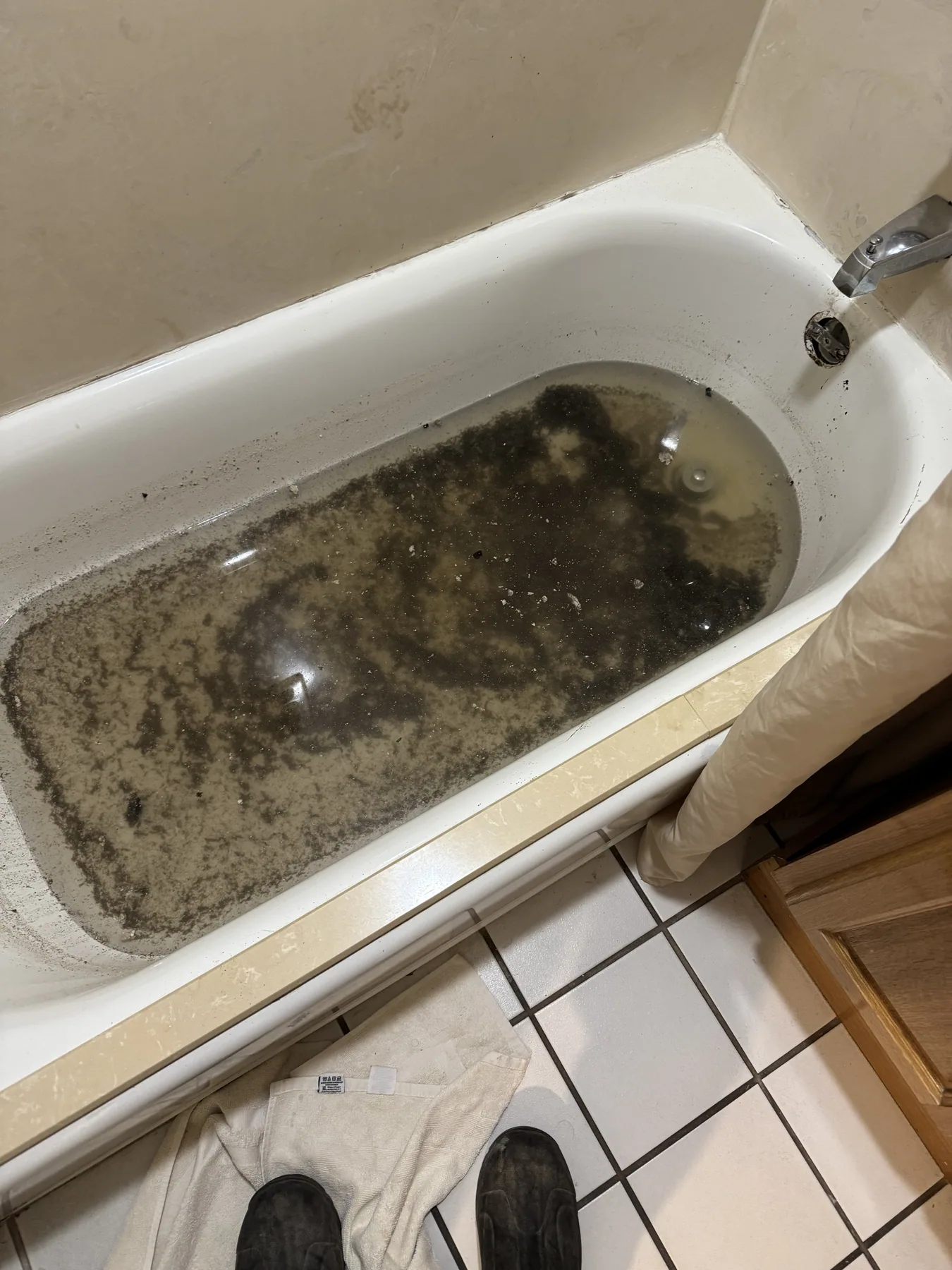
Rebuilding a flushometer valve in an office building restroom before the building fills for the day.
Commercial work
Restroom down and tenants calling? Call 850-318-5777 and we’ll get it back in service.
- Answered 24 hours, 7 days
- Licensed CFC1429646 and CMC1250426
- Repair first, always
Maintenance plans from $16 a month keep this kind of thing from becoming an emergency.
How we service an office property
- Walk the building once properly
Fixture counts, valve types, ages, and where the shut-offs actually are. Having that on file before an emergency saves an hour at the worst possible moment.
- Schedule around the workday
Restroom work happens before the building fills or after it empties wherever the repair allows it, because a closed restroom mid-morning is a complaint generator.
- Repair rather than replace where sensible
Diaphragm kits, solenoids, cartridges and sensor units are inexpensive and effective. We don’t replace a fixture that needs a five dollar part.
- Keep spares matched to the building
Knowing your specific valve and sensor models means the right part comes on the first trip instead of the second.
- Report to the manager, not just the tech
Written notes and photos of what was done and what’s aging, which is what you need for budgeting and for the owner.
Office and professional properties we look after
We service office buildings, professional suites and mixed-use commercial space in Freeport, Santa Rosa Beach, Miramar Beach, Destin, Niceville and Valparaiso, along with DeFuniak Springs and Panama City Beach. Multi-tenant buildings in those markets tend to have a mix of original and replaced fixtures, so knowing what’s actually installed matters more than knowing the building’s age.
We also cover professional space in Point Washington, the 30A towns, Paxton, Ponce de Leon, Ebro and Vernon. For managers running several properties, having one contractor who’s already walked each building and knows where the valves and cleanouts are is worth considerably more than it sounds like on a normal day.
Towns we get to most: Freeport, Santa Rosa Beach, Point Washington, Miramar Beach, Niceville, Destin, Eglin Air Force Base, Valparaiso, Ebro, Vernon, Caryville. See the full service area.
Questions we get about this
Can you work outside business hours?
Yes, and for restroom work in an occupied office building that’s usually the better plan. Early morning or evening work means the fixture is back in service before anyone needs it.
Tell us your building’s hours and we’ll schedule around them. Emergencies obviously get handled whenever they happen.
Do you handle tenant improvement plumbing?
Yes. Adding a break room sink, relocating fixtures for a new suite layout, or converting space for a different use are all common, and they usually involve permits and inspection.
We’d rather see the plan before the walls go up, because moving a drain after the fact is dramatically more expensive than routing it correctly the first time.
Why do our restrooms smell after a long weekend?
Most often a dry trap. If a floor drain or an unused fixture sits several days, the water seal in its trap evaporates, especially in our climate, and sewer gas comes up through the empty trap.
The fix is usually as simple as adding water to the drain, and for drains that dry out repeatedly there are trap primers and seal inserts that solve it permanently.
Should we replace our old flushometers with sensor units?
Sometimes it’s worth it and sometimes it isn’t, and it depends on your fixture count, your traffic and how the existing valves are holding up. Manual flushometers are extremely durable and cheap to rebuild.
We’ll tell you honestly when your existing valves have plenty of life left. Replacing hardware that works isn’t a service we’re interested in selling.
Can you set up scheduled maintenance for the building?
Yes, and for a multi-tenant property it usually pays for itself in avoided complaints. Regular attention to valves, sensors, traps and drain lines catches the wear items before a tenant finds them.
You get a written report with photos after each visit, which is what you hand the owner at budget time. It’s real maintenance, not a sales call you paid for.
Related plumbing work
- Backflow Installation
- Commercial Water Heaters
- Commercial Repiping
- Commercial Leak Detection
- Commercial Leak Repair
- Commercial Water Line Repair
- Commercial Water Line Installation
- Commercial New Construction
- Apartment Complex Plumbing
Not seeing it? The full list is on the plumbing page, or just call 850-318-5777 and describe it. You can also see the work or send a note.